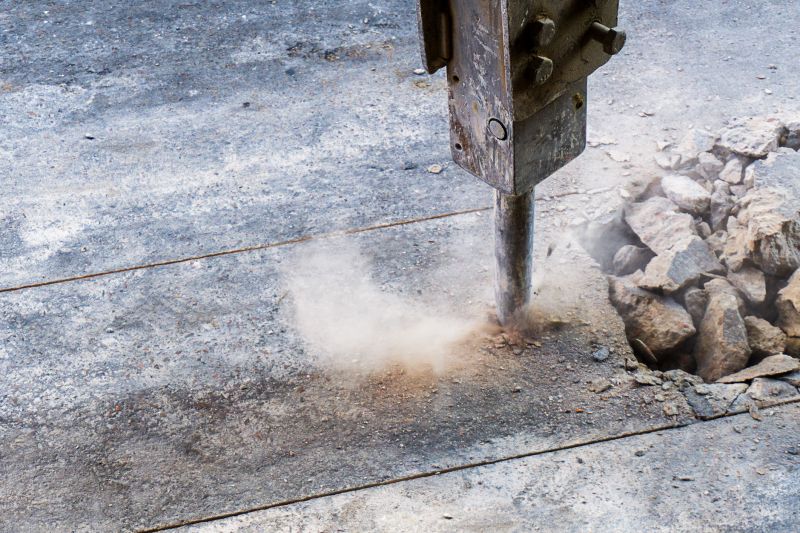
Patio Removal in Bergen County, NJ
Patio removal services involve the safe and efficient dismantling and clearing of existing outdoor paved areas, such as concrete, brick, or stone patios. This service is suitable for homeowners planning to replace an old, damaged, or outdated patio with a new design, or for those looking to repurpose their outdoor space for other landscaping projects. Projects typically include breaking up the existing surface, removing debris, and preparing the area for future use, ensuring the property remains clean and ready for the next phase of outdoor improvements.
Property owners often want to understand the scope of the removal process, including what types of materials can be handled and how the debris will be managed. It’s also helpful to consider any potential impact on landscaping or existing structures during the removal process. Clarifying these details beforehand can ensure the project aligns with overall outdoor renovation plans and helps avoid surprises during the work.
Many property owners in Bergen County, NJ look into Patio Removal for repairs, replacements, upgrades, and appearance-related improvements.
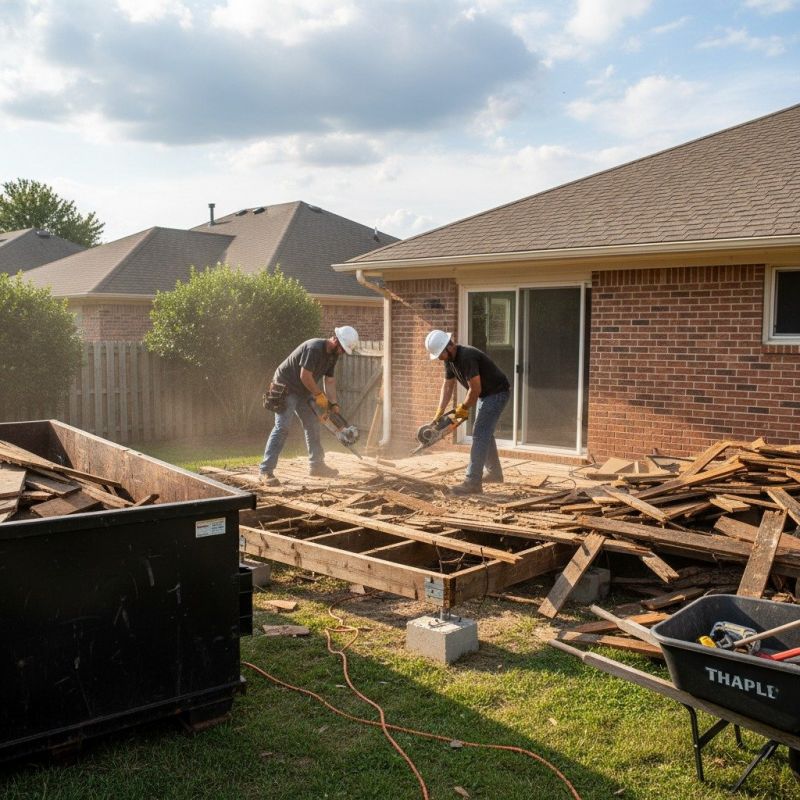
Reasons To Remove A Patio
Homeowners may choose patio removal to create space for new landscaping or improve yard functionality.
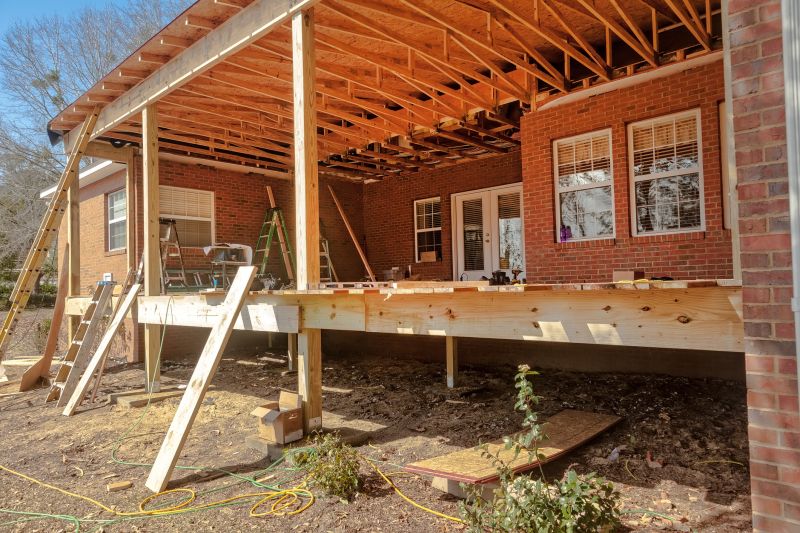
Types Of Patio Removal Projects
Projects can include removing concrete slabs, paver patios, or old brick surfaces to refresh outdoor areas.
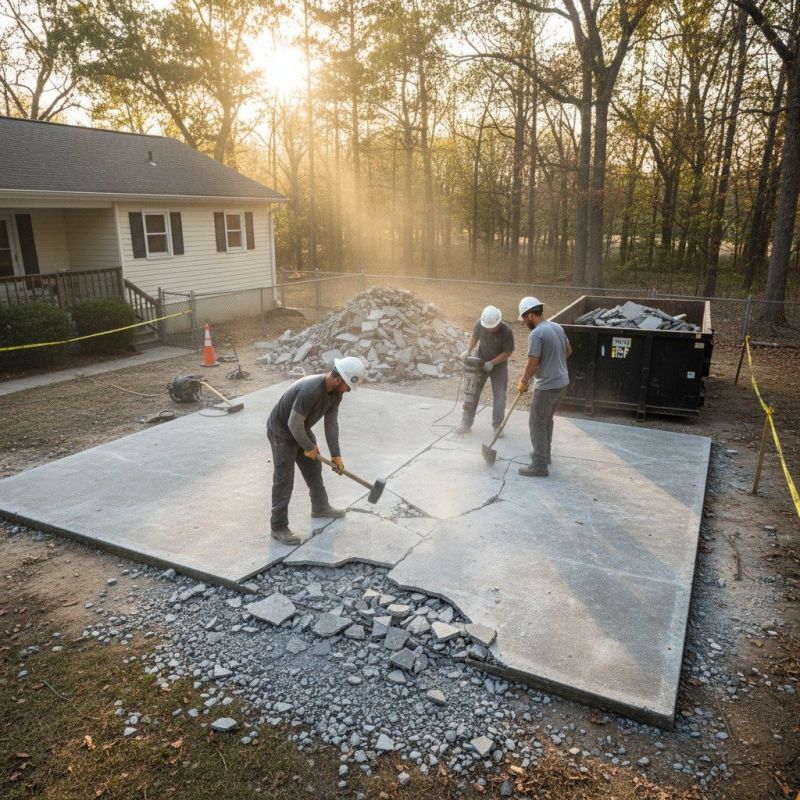
Considerations Before Removal
Proper planning ensures the area is prepared for future use and that debris is safely cleared away.
Patio Removal in Bergen County, NJ
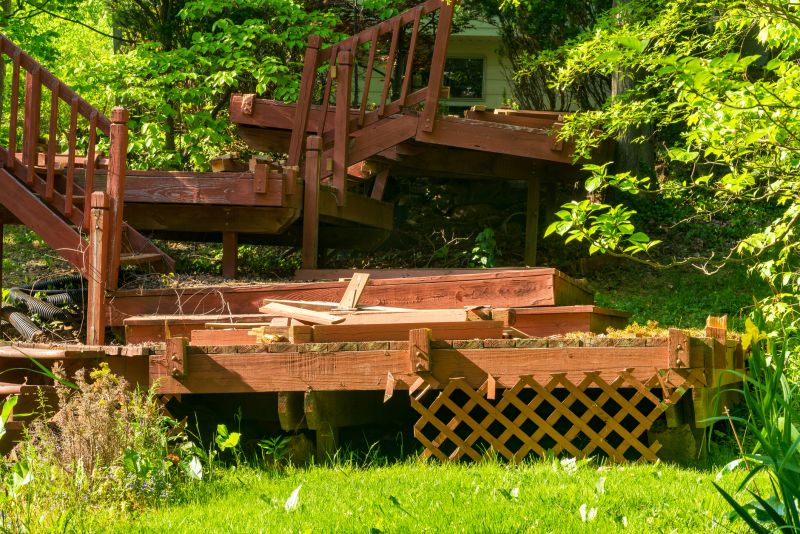
Patio removal services involve the safe and efficient dismantling and clearing of existing outdoor paved areas, such as concrete, brick, or stone patios. This service is suitable for homeowners planning to replace an old, damaged, or outdated patio with a new design, or for those looking to repurpose their outdoor space for other landscaping projects. Projects typically include breaking up the existing surface, removing debris, and preparing the area for future use, ensuring the property remains clean and ready for the next phase of outdoor improvements.
Property owners often want to understand the scope of the removal process, including what types of materials can be handled and how the debris will be managed. It’s also helpful to consider any potential impact on landscaping or existing structures during the removal process. Clarifying these details beforehand can ensure the project aligns with overall outdoor renovation plans and helps avoid surprises during the work.
Many property owners in Bergen County, NJ look into Patio Removal for repairs, replacements, upgrades, and appearance-related improvements.
Common Patio Removal Jobs
Patio Removal - safely dismantles and removes existing patios to prepare for new landscaping projects.
Concrete Patio Removal - breaks up and clears away concrete surfaces for easier yard renovation.
Paver Patio Removal - takes out paver installations to update or redesign outdoor living spaces.
Stone Patio Removal - removes natural stone patios to improve yard functionality and appearance.
Old Patio Demolition - clears outdated or damaged patios to create a clean slate for new features.
Backyard Patio Removal - facilitates backyard redesigns by removing existing patio structures efficiently.
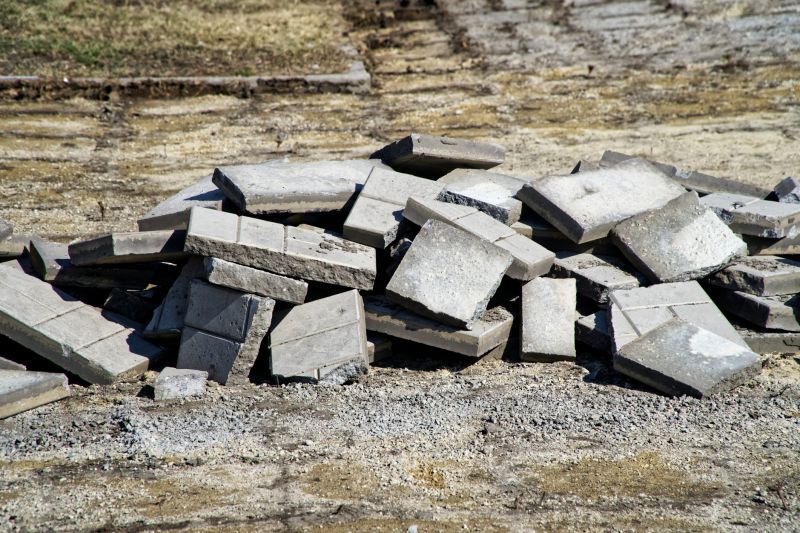
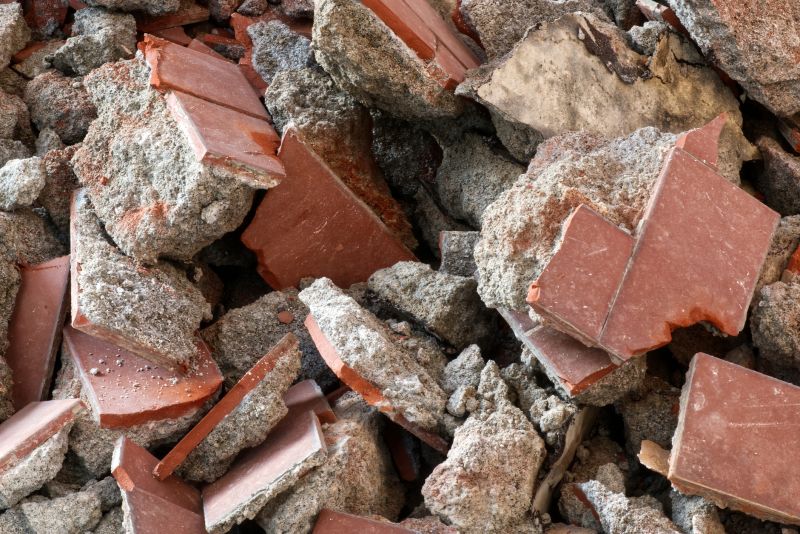
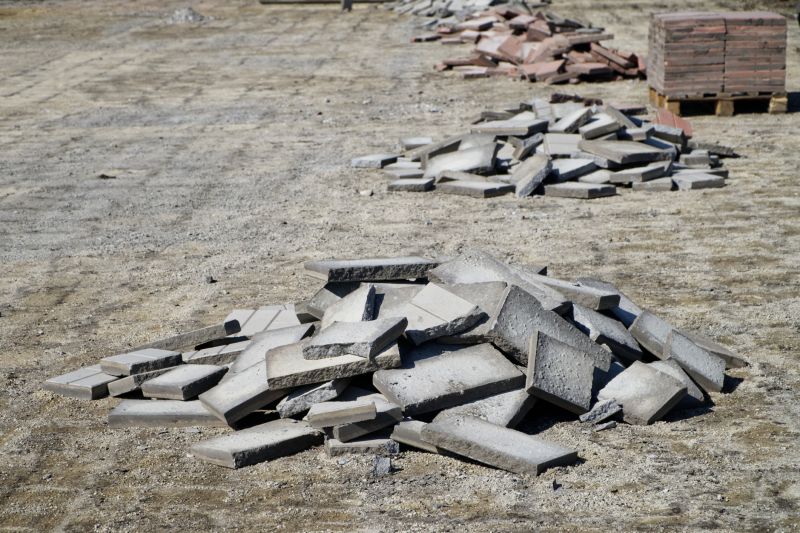
Patio Removal Questions
What types of patios can be removed? Any existing concrete, stone, brick, or paver patios can be taken out safely and efficiently.
Is patio removal necessary before new installations? Yes, removing the old patio allows for proper preparation and a clean foundation for new surfaces.
What should be considered before patio removal? It is important to evaluate underground utilities, drainage, and the condition of the surrounding area.
How is debris handled after patio removal? Debris is typically cleared from the site and disposed of according to local regulations.
Request Patio Removal in Bergen County, NJ
Use the quote form on this page to share the basics of your project and request more information for the type of work you need.